


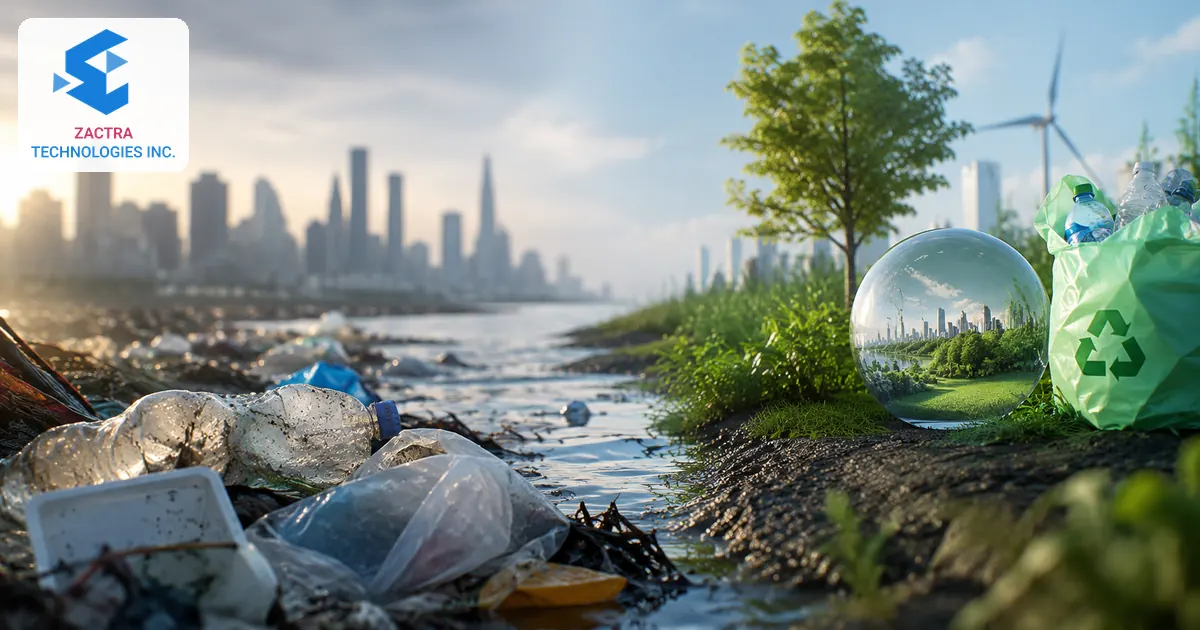
Plastic is convenient at the point of use but costly when waste, pollution, and long product lifecycles are considered. This guide examines practical ways individuals and organizations can reduce unnecessary plastic without sacrificing everyday convenience.
Understanding the Topic
Sustainable business growth comes from understanding customers, solving a valuable problem, building reliable operations, and measuring what works. Technology can accelerate the strategy, but it cannot replace clear positioning and disciplined execution.
The most useful way to approach this subject is through environmental responsibility, reusable alternatives, and workplace action. That keeps the article aligned with the original title while making the content safer, clearer, more accurate, and more valuable to readers today.
Why It Matters
The following points provide a useful framework for understanding the value and relevance of plastic waste reduction:
- replace single-use bottles and packaging where practical
- make refill and reuse convenient in homes and workplaces
- choose durable products based on full lifecycle, not appearance alone
- separate recyclable materials correctly under local rules
- measure procurement and waste so improvements are visible
These benefits are not automatic. They depend on clear objectives, reliable execution, appropriate safeguards, and ongoing improvement. Readers should judge the topic by the quality of the outcome rather than by promises, trends, or isolated examples.
A Practical Approach
A structured approach reduces uncertainty and makes progress easier to evaluate:
- define the customer problem and desired outcome
- assess the current journey, operations, and constraints
- prioritize high-impact improvements rather than scattered activity
- select technology and partners that fit the strategy
- track results, learn, and refine the operating model
For digital initiatives, this process should include user research, accessible design, secure engineering, quality assurance, analytics, and clear ownership after launch. For public, cultural, or historical topics, it should include accurate context, respectful language, and reliable sourcing.
Common Risks and Mistakes
Even a promising idea can create poor outcomes when important details are ignored. Common risks include:
- unclear goals and inconsistent execution
- buying tools before fixing the process
- poor customer research
- measuring activity instead of outcomes
- scaling before quality and unit economics are understood
The practical response is to make assumptions visible, involve the right stakeholders, review evidence, and define who is responsible for decisions. This creates better content, stronger products, and more trustworthy communication.
What This Means for Organizations
Organizations should connect the subject of Inconvenient Plastic to a real audience and a measurable objective. That may mean educating readers, improving a customer journey, modernizing an internal process, protecting data, supporting a community, or testing a new product opportunity.
Good execution also requires maintainability. Content should be reviewed for accuracy; software should be monitored and updated; campaigns should be measured; and public messages should be revisited when facts or circumstances change.
Frequently Asked Questions
Why does Inconvenient Plastic matter for business growth?
It matters when it improves customer value, operational consistency, visibility, or decision-making. The strongest initiatives connect activity to a measurable commercial outcome.
What should a company do first?
Clarify the customer problem, current baseline, desired result, constraints, and the smallest improvement that can be tested with reliable evidence.
Where does technology fit?
Technology should support a sound process and strategy. It can automate work, connect data, improve customer experience, and help teams measure results.
Final Thoughts
Inconvenient Plastic deserves more than a thin or promotional explanation. A useful article should answer the reader’s main question, provide context, acknowledge limitations, and offer a sensible next step. That is the standard this refreshed version aims to meet.
For businesses planning a related digital product or modernization initiative, Explore Zactra’s digital transformation services, or contact the team to discuss goals, requirements, and an appropriate delivery approach.